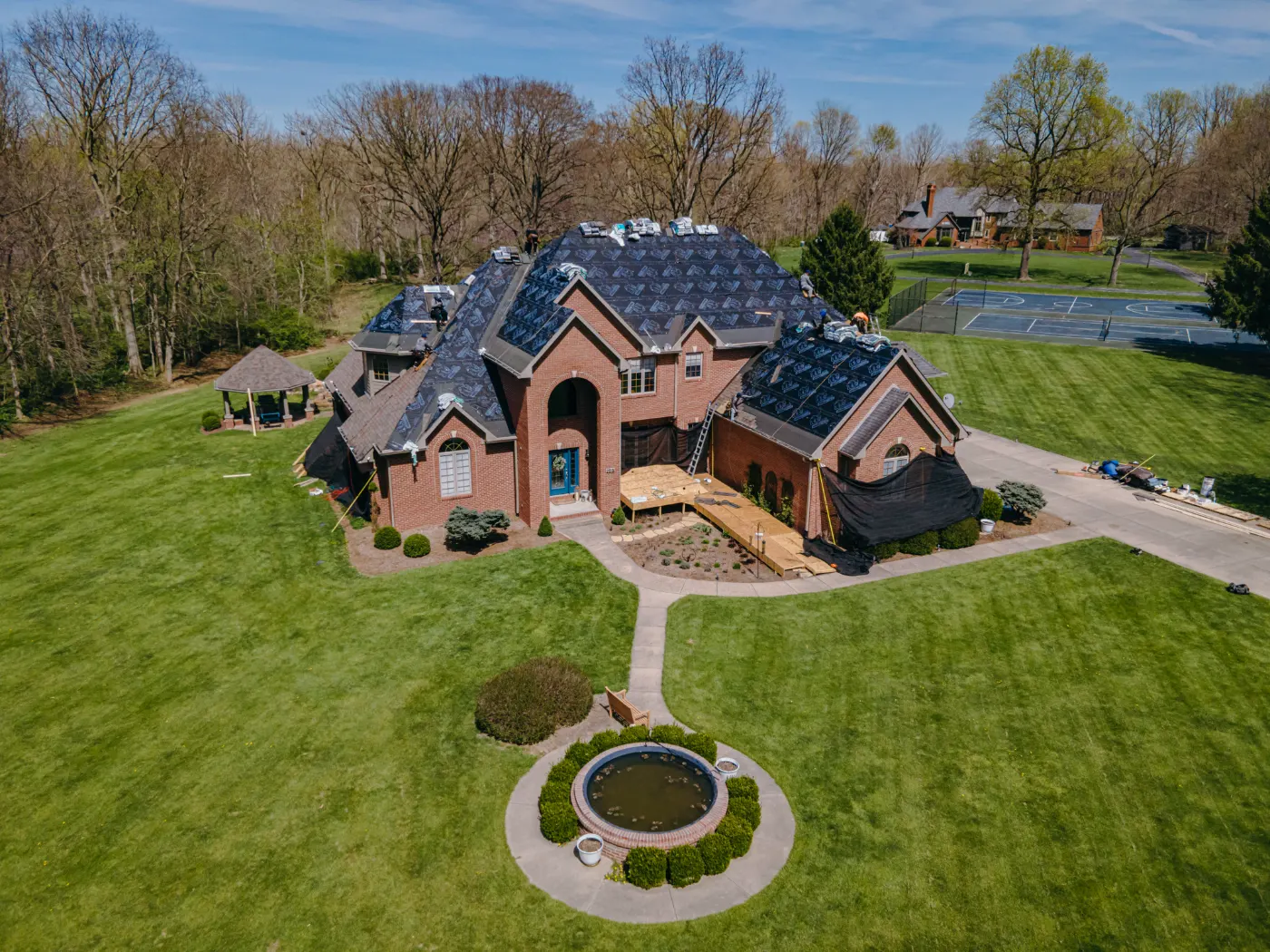
Roofing Services for Crooked Creek Homes and Garages
Crooked Creek Roofing provides roof inspections, repairs, and replacements for homeowners across Crooked Creek, from the brick ranches off Michigan Road to the split levels near W 86th Street. We are licensed and insured in Indiana, offer free inspections, and put every number in writing before work starts.
If we're busy helping someone else and miss your call, we'll call you back within 15 minutes.



Crooked Creek Roofing is the Crooked Creek second call after a high pressure roofing pitch, and the calm scope usually wins. Call (765) 978-3528.
- Services: roof inspections, roof repair, emergency roof repair, roof replacement
- Service area: Crooked Creek, Marion, IN and surrounding areas
- Response: Priority response for Crooked Creek active leaks; photos and scope follow the same visit
- Licensed and insured (License #RC21100059)
- Serving Crooked Creek, IN since 2018
Schedule Your Free Roof Inspection
A roof inspection in Crooked Creek starts with a full walk of the roof, not a glance from the ground. The crew checks shingle condition, granule loss, cracked or lifted tabs, flashing at chimneys and vents, valleys, drip edges, and any signs of hail bruising, wind damage, or plain old age. Everything gets photographed, so you have a documented record of what the roof actually looks like right now. On the wooded streets of Crooked Creek, we also look at debris load, moss, and drainage on the low to moderate pitches so common here. Catching a lifted shingle or a failing pipe boot early keeps a small roof problem from turning into a much bigger one, which matters for any Crooked Creek homeowner watching their budget.
I agree to be contacted by Crooked Creek Roofing regarding my inquiry.
A second layer of shingles hides everything beneath it on a Crooked Creek roof. The overlay that saved money years ago now conceals the deck, traps heat that ages both layers faster, and adds weight the rafters were asked to accept without a vote. When trouble comes, it comes blind, and the Marion tear off that follows reveals whatever the first layer had been covering all along.
Crooked Creek Roofing builds Crooked Creek roofs for year twenty, because year three flatters everyone. The underlayment nobody sees, the fastener zone nobody checks, the ventilation math nobody asked about: these decide whether a roof retires on schedule or early. Across Marion, the difference between good and bad roofing hides for exactly as long as the weather stays polite, and the company builds for impolite.
Wondering how much life your Crooked Creek roof has left? Crooked Creek Roofing reads roofs for a living: granule loss in the gutters, mat condition at the ridge, ventilation math in the attic. You get a straight number and a plan, whether the answer is two years or twelve. Call (765) 978-3528. Marion homeowners who plan from real numbers replace roofs on their schedule, not the roof's.
Payment Options That Work for You
We partner with established lenders so Crooked Creek Roofing clients can spread the cost of a major roofing project into manageable payments. Ask your project lead about current options.
Pay for your project at a later time, but lock in today's pricing. Ideal for homeowners waiting on insurance settlements.
- No payments for 12 months
- No interest if paid in full
- Lock in current pricing today
Divide your project cost equally across 12 months with zero interest. Most homeowners choose this option for predictable budgeting.
- Equal monthly payments
- 0% interest for 12 months
- Simple, predictable budgeting
Spread your investment over up to 20 years with fixed equal payments. The right choice for larger projects or homeowners who prefer lower monthly amounts.
- Up to 20-year terms available
- Fixed equal payments
- Ideal for larger projects
Financing provided by Slice, Foundation Finance, Regions. Subject to credit approval. Rates, terms, and promotional periods are set by the lender and disclosed in writing before you sign.
The Crooked Creek Roofing Scope
Whether the job is an inspection, a repair, or a complete replacement, Crooked Creek Roofing sends manufacturer-certified crews and documents the work clearly.
Roof Inspections in Crooked Creek
Free, thorough roof inspections for Crooked Creek homes, with photo documentation of shingle condition, flashing, and any storm or age related damage. You get a clear picture of where the roof stands before any work is discussed.
Learn moreRoof Repair in Crooked Creek
Targeted roof repair for Crooked Creek homeowners dealing with lifted shingles, failing flashing, leaks, or localized storm damage. We fix the problem area and check surrounding sections so the same issue does not resurface a month later.
Learn moreEmergency Roof Repair in Crooked Creek
Emergency roof repair for Crooked Creek homes with active leaks, wind torn shingles, or fresh storm damage. We prioritize urgent situations, tarp or patch as needed to stop further damage, and follow up with a full inspection and estimate.
Learn moreRoof Replacement in Crooked Creek
Full roof replacement for Crooked Creek homes at end of life or with damage beyond repair. Tear off, deck inspection, new underlayment, flashing, shingles, and a clean site when the job is complete.
Learn moreDesigner Roofing in Crooked Creek
Designer roofing for Crooked Creek homeowners who want a distinctive look, from premium architectural profiles to specialty shingles that suit Colonial Revivals and custom contemporary homes. Style choices paired with the same install standards we bring to every roof.
Learn more
Local Expertise, Real Results
If the deck is soft, you see the photo before the plywood goes down.
Out-of-state trailers show up after every Marion hailstorm and disappear before the first warranty call. Crooked Creek Roofing is the other kind of roofer: local address, local crews, and a phone number that answers in year five.
Crooked Creek Roofing was founded by Aaron Christy in 2018, and we have spent those years serving Crooked Creek and the wider Marion County area with straightforward roofing work. Our service area covers Crooked Creek along with nearby Snacks-Guion Creek, Augusta-New Augusta, Delaware Trail, St. Vincent-Greenbriar, College Park, and Eagle Creek. Aaron has been featured on FOX59, WISH TV, and RTV6 talking about roofing across central Indiana, and the crews you meet are local, licensed, and insured under Indiana license RC21100059. When a Crooked Creek homeowner calls, you get people who know Marion County housing stock and the weather that beats on it.
The way we work in Crooked Creek is simple. A crew member climbs the roof, checks shingles, flashing, valleys, penetrations, and any spots that look storm hit or age worn, and documents everything with photos so you can see what we see. From there you get an honest written estimate with a clear scope, so nothing about the price or the work is a mystery. On the roof itself, we care about clean cuts, proper nailing, sealed flashing, and a jobsite that looks better when we leave than when we arrived. No invented certifications, no sales theater, just roofing done right.
Our Promise
Every Crooked Creek homeowner who calls Crooked Creek Roofing gets three things. First, a free on site inspection before we ever quote a number, because guessing at a roof from the driveway helps no one. Second, an honest written estimate with a clear scope and transparent line items tacked on later. Third, clean workmanship backed by a workmanship warranty, so the roof we install is one we stand behind after the trucks are gone.
Four Reasons Crooked Creek Owners Pick Us
Transparent pricing, careful inspections, and materials that last, for homeowners in Crooked Creek and Marion.
Storm And Hail Response
Central Indiana takes a beating from hail and high wind, including the March 2024 tornado outbreak that hammered the metro. After a storm we prioritize inspections for homeowners with visible damage or active leaks. You get photo documentation of impact points, lifted shingles, and dented flashing. That way you know exactly what happened before you make any decisions.
We Know Crooked Creek Roofs
Crooked Creek is largely mid century ranches, Colonial Revivals, and split levels, and those low to moderate pitches wear differently than a steep new build. We know where these roofs typically fail, from valley wear to aging pipe boots to tired three tab shingles. That local pattern recognition means fewer surprises during the job.
Inspection Through Completion
We handle the roofing job from the first climb to the final cleanup. That includes the free inspection, the written estimate, ordering the right materials, tearing off and installing, and the walkthrough at the end. One crew, one point of contact, no handoffs where details get lost.
Insurance Documentation Done Right
When a Crooked Creek roof takes storm damage, the paperwork matters as much as the tarp. We document the damage with clear photos, measurements, and notes your carrier and adjuster can actually use. You stay in control of the claim, and we give you the evidence to support it.
Real Jobs. Real Results.
Photos from recent roofing projects completed by our manufacturer-certified crew across Crooked Creek and Marion. Every project is documented with photos and a written closeout package.
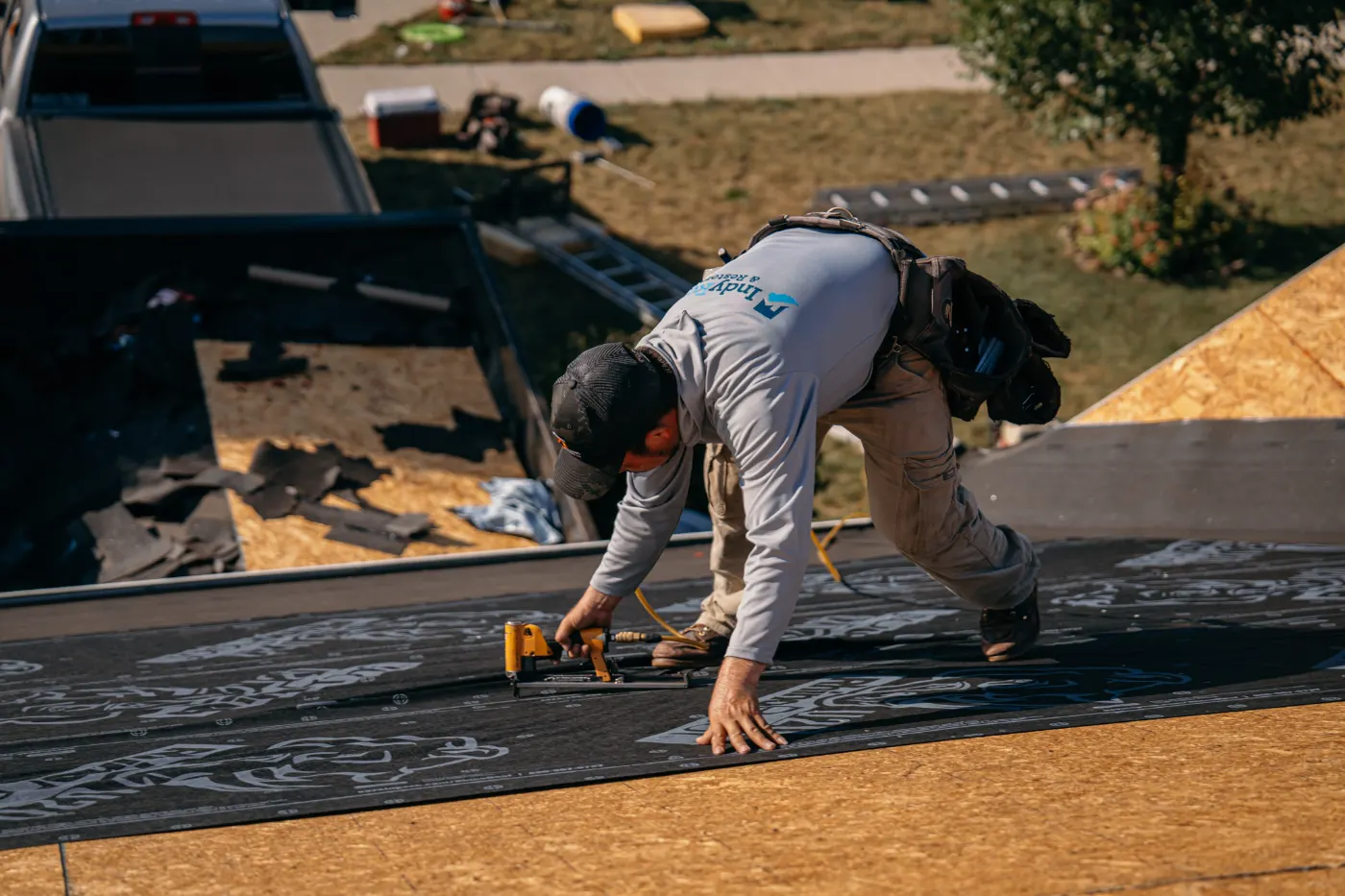
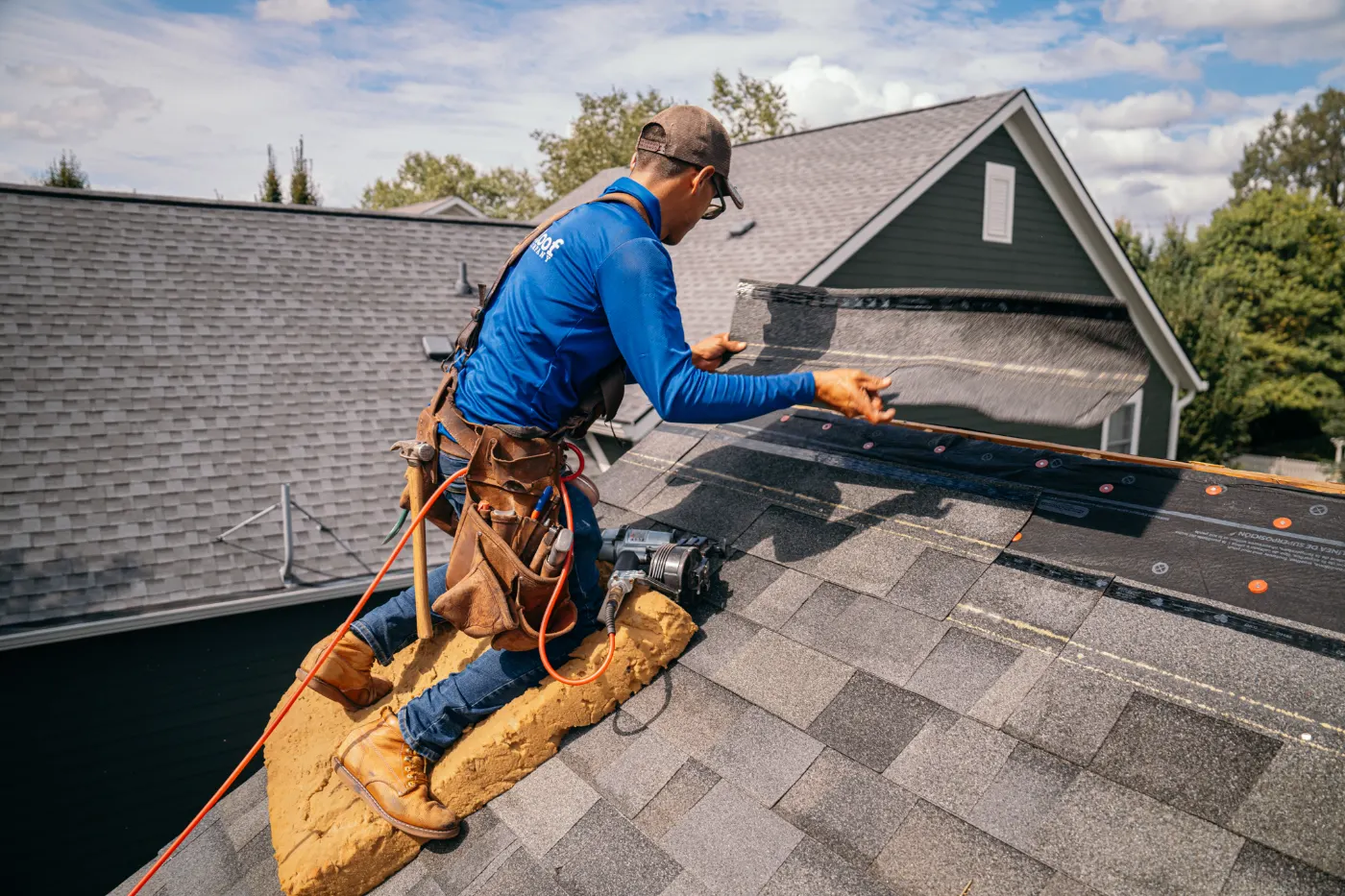
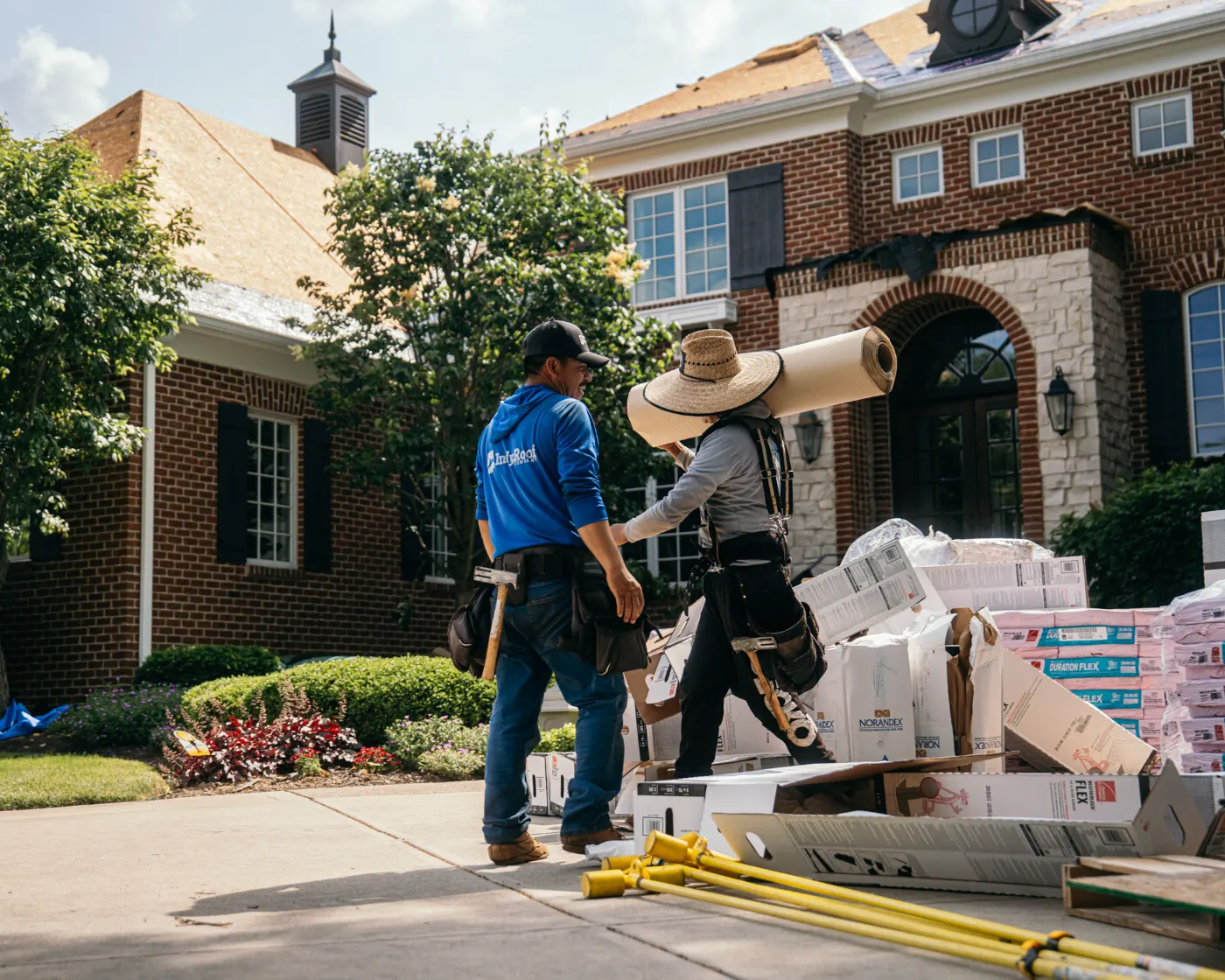
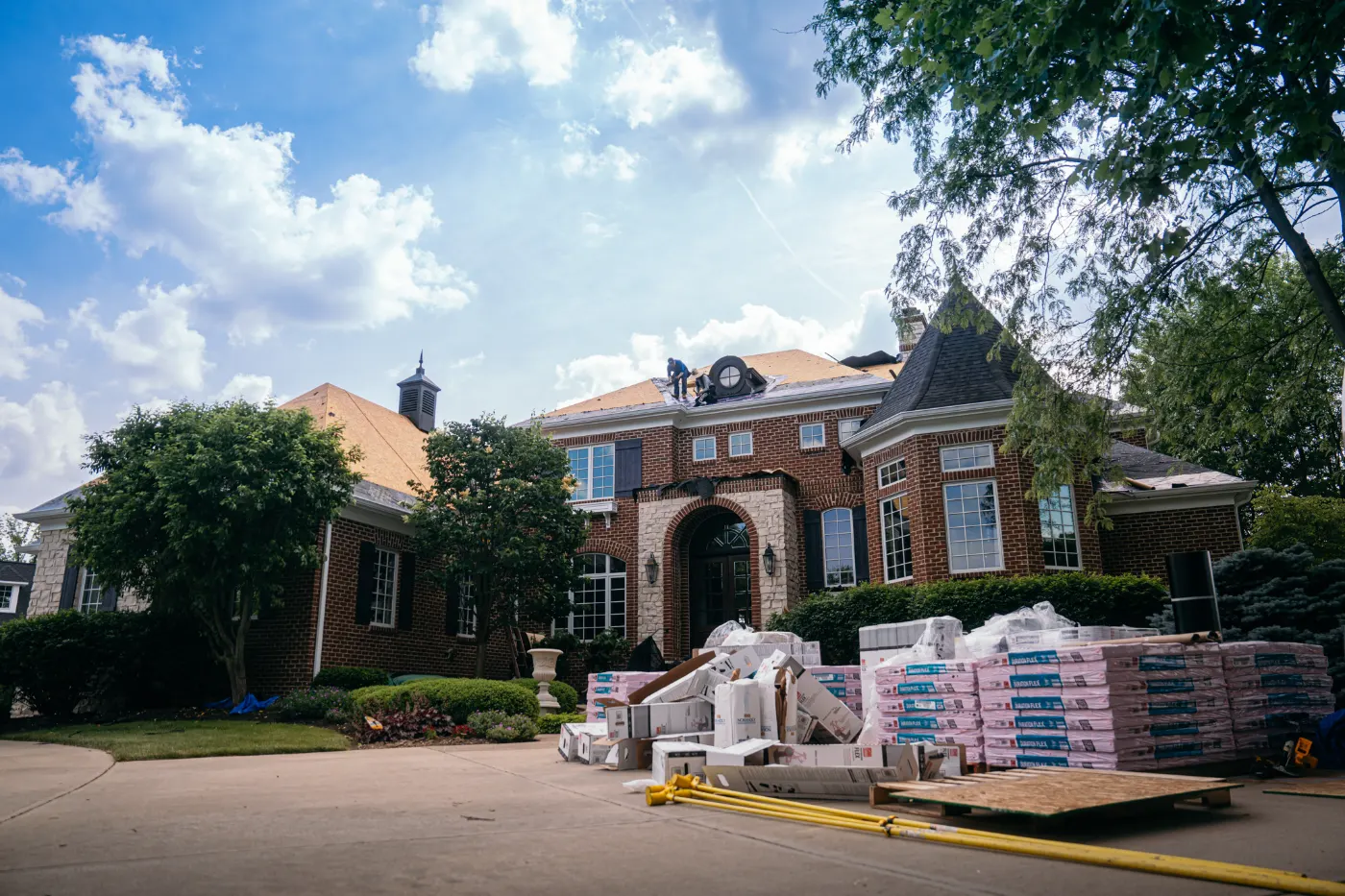
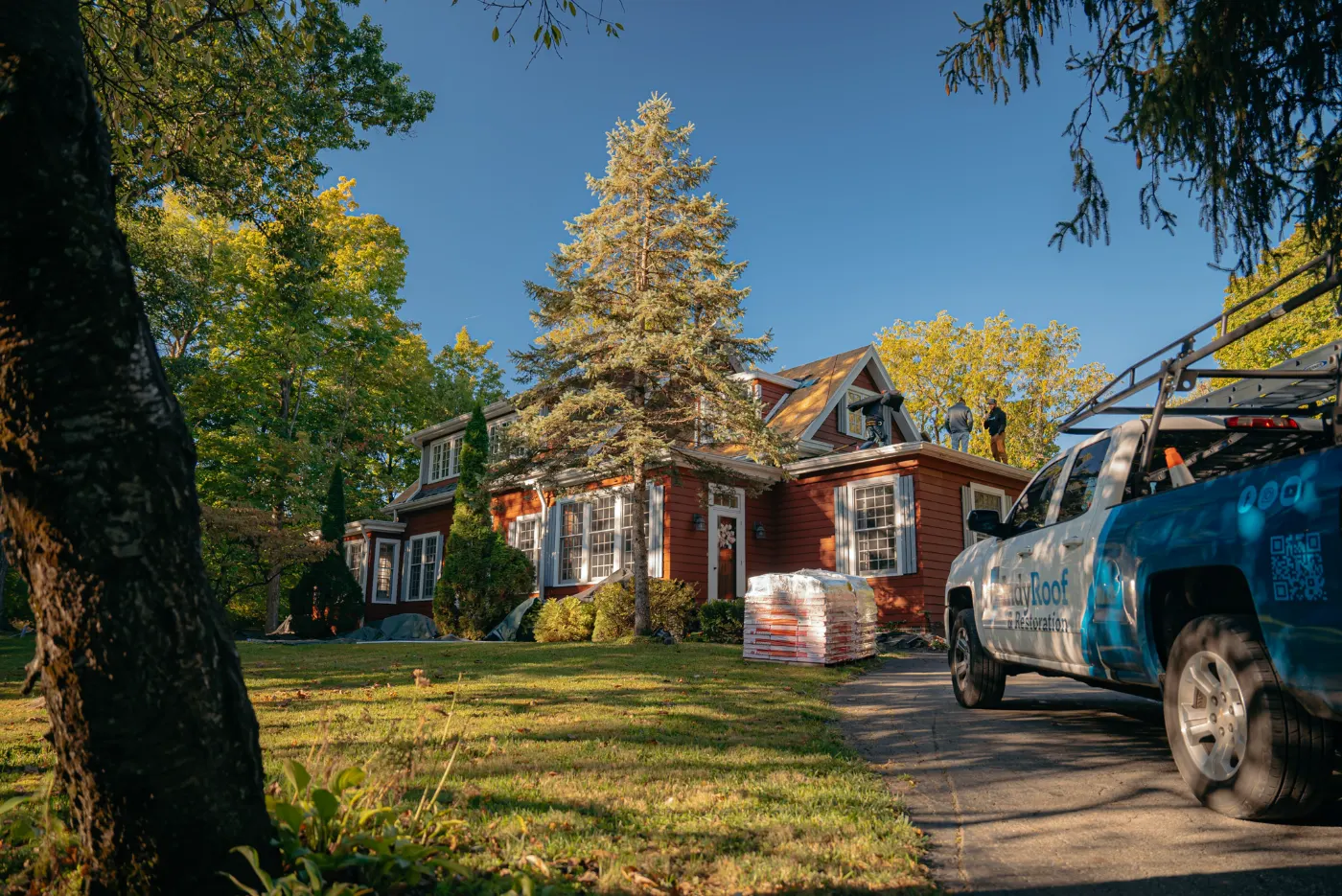
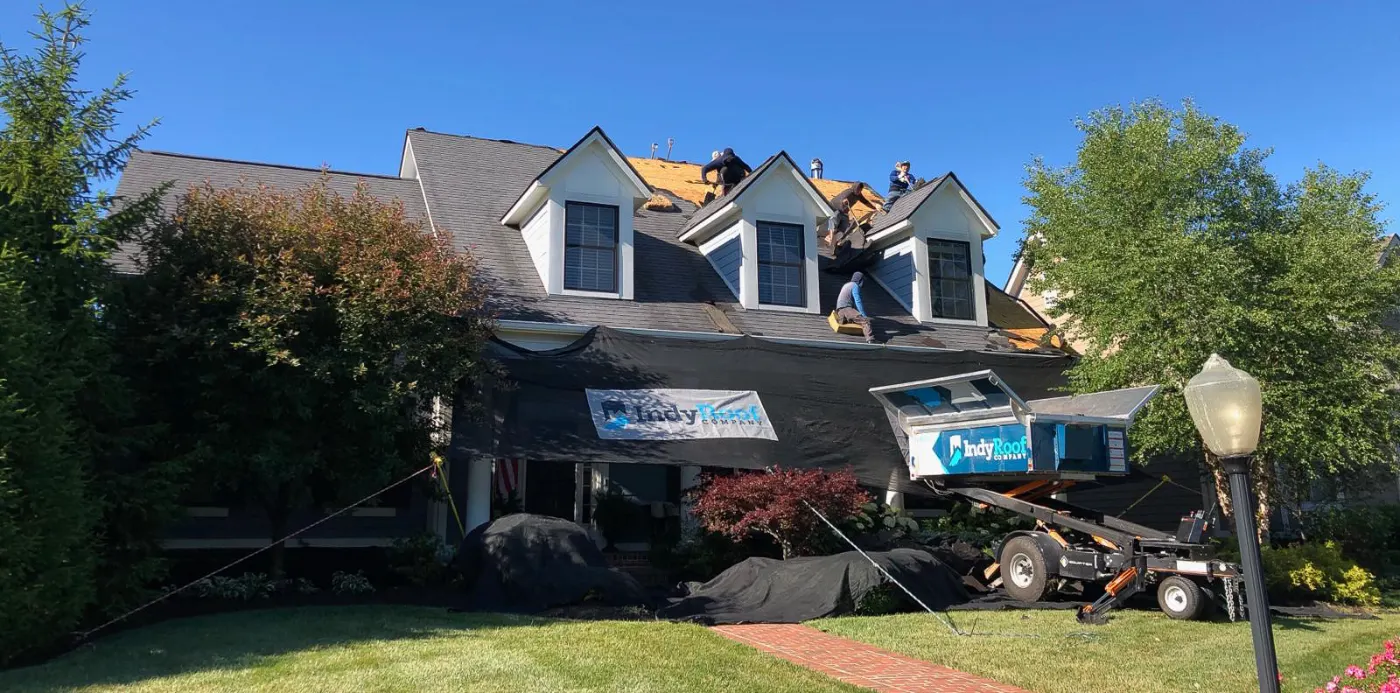
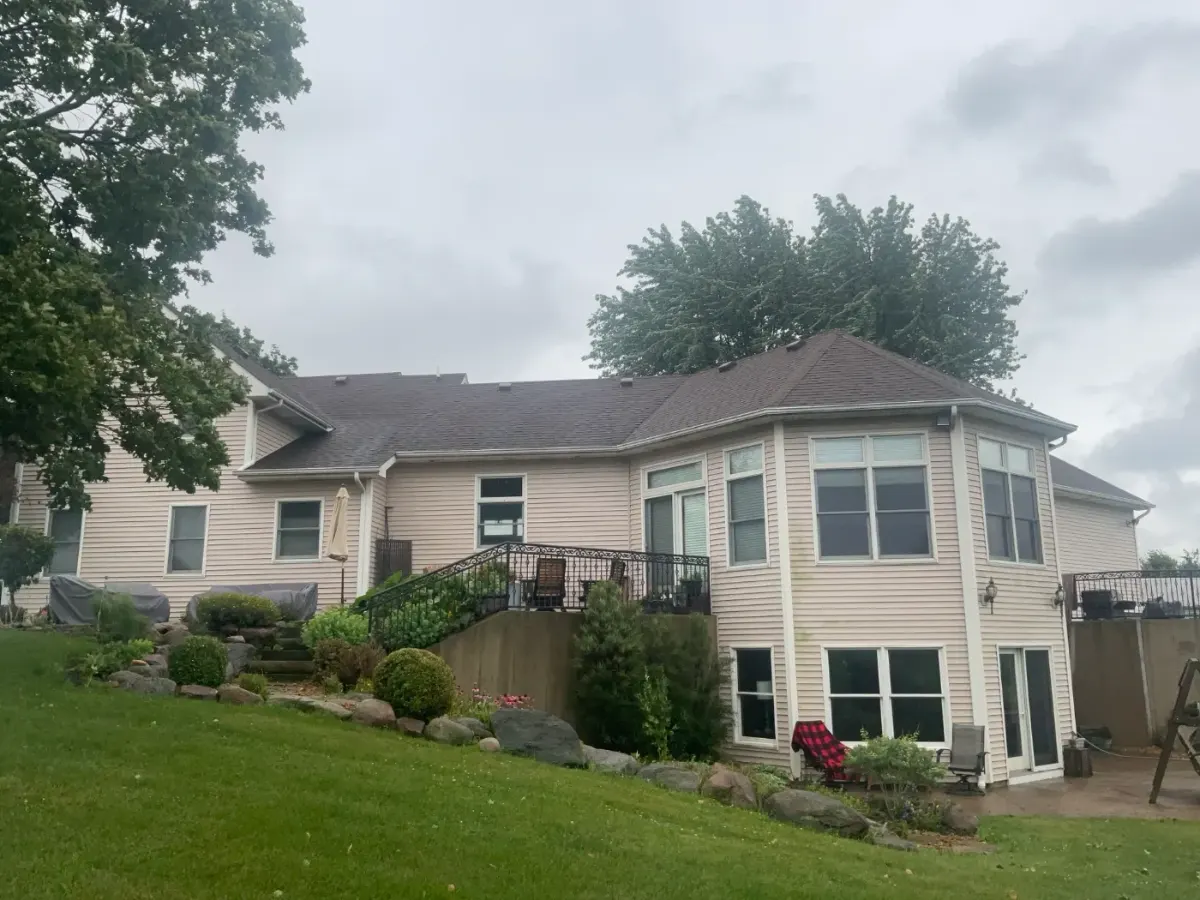
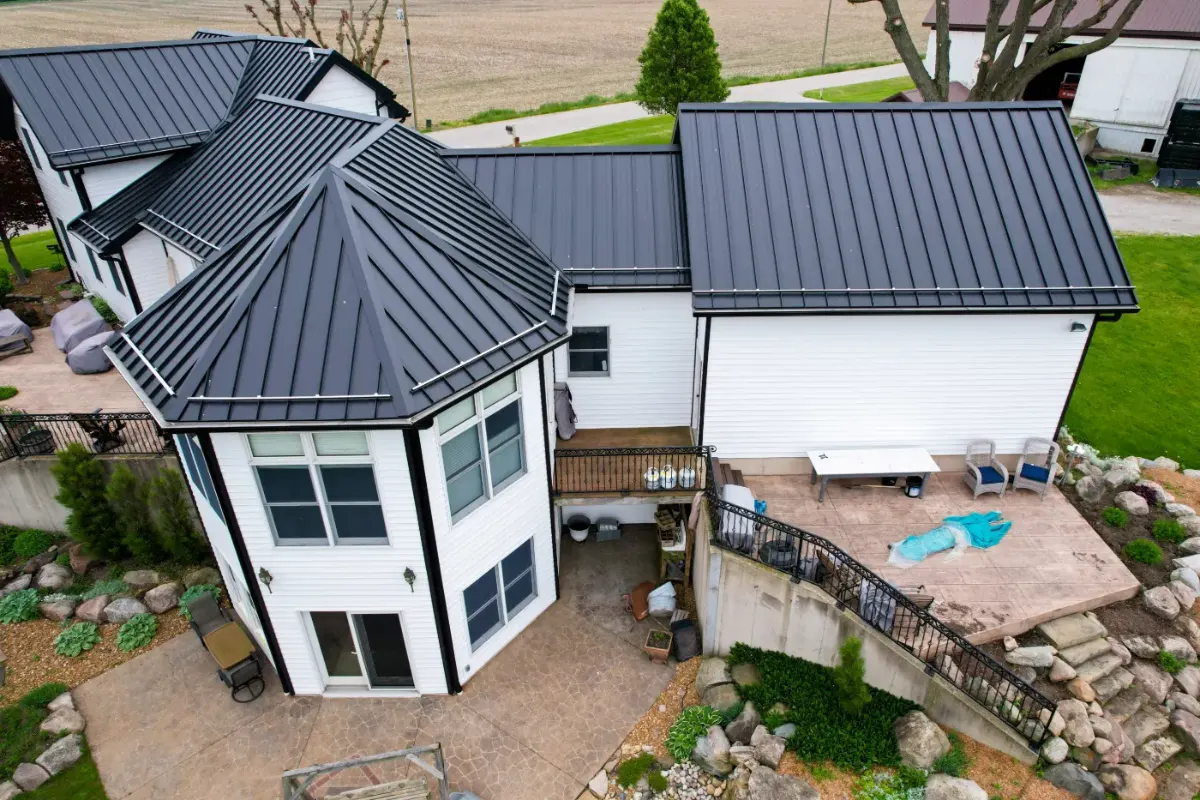
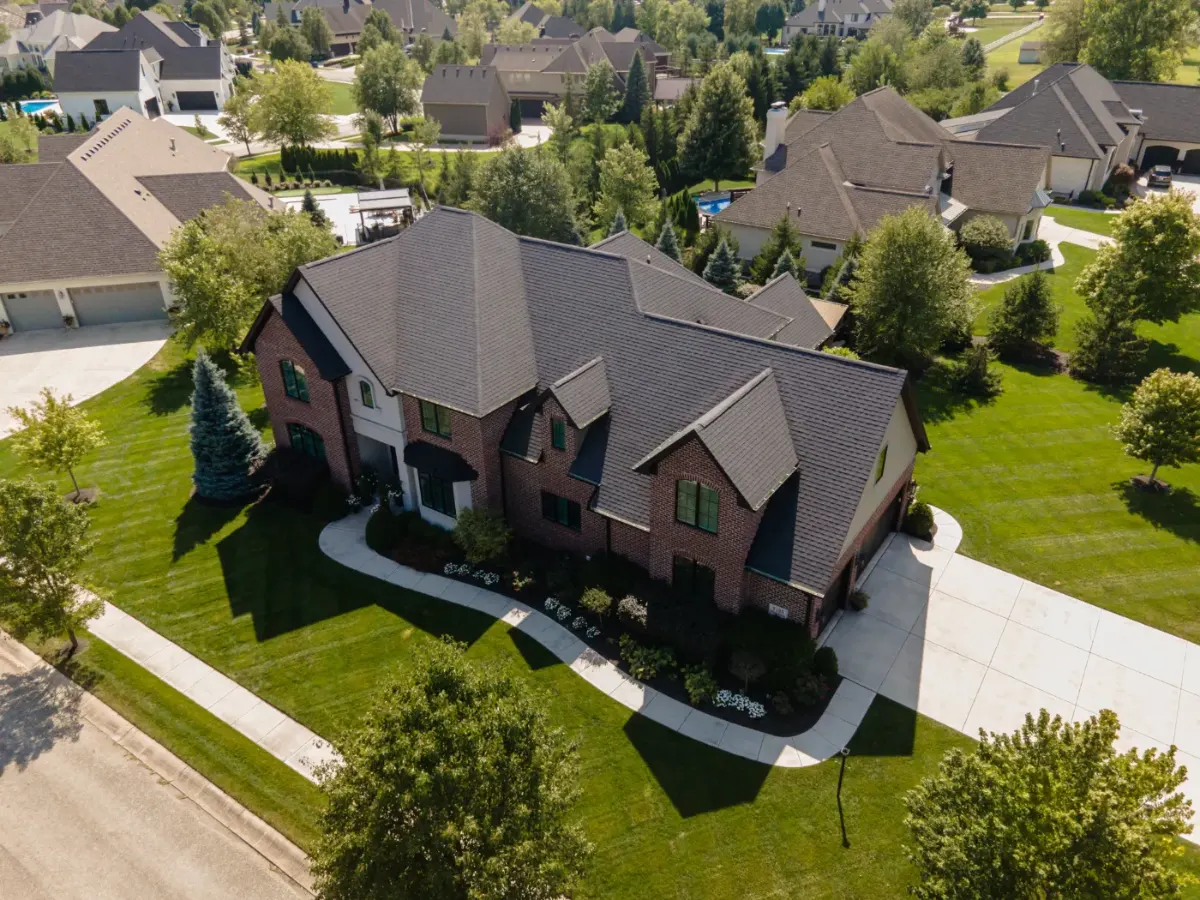
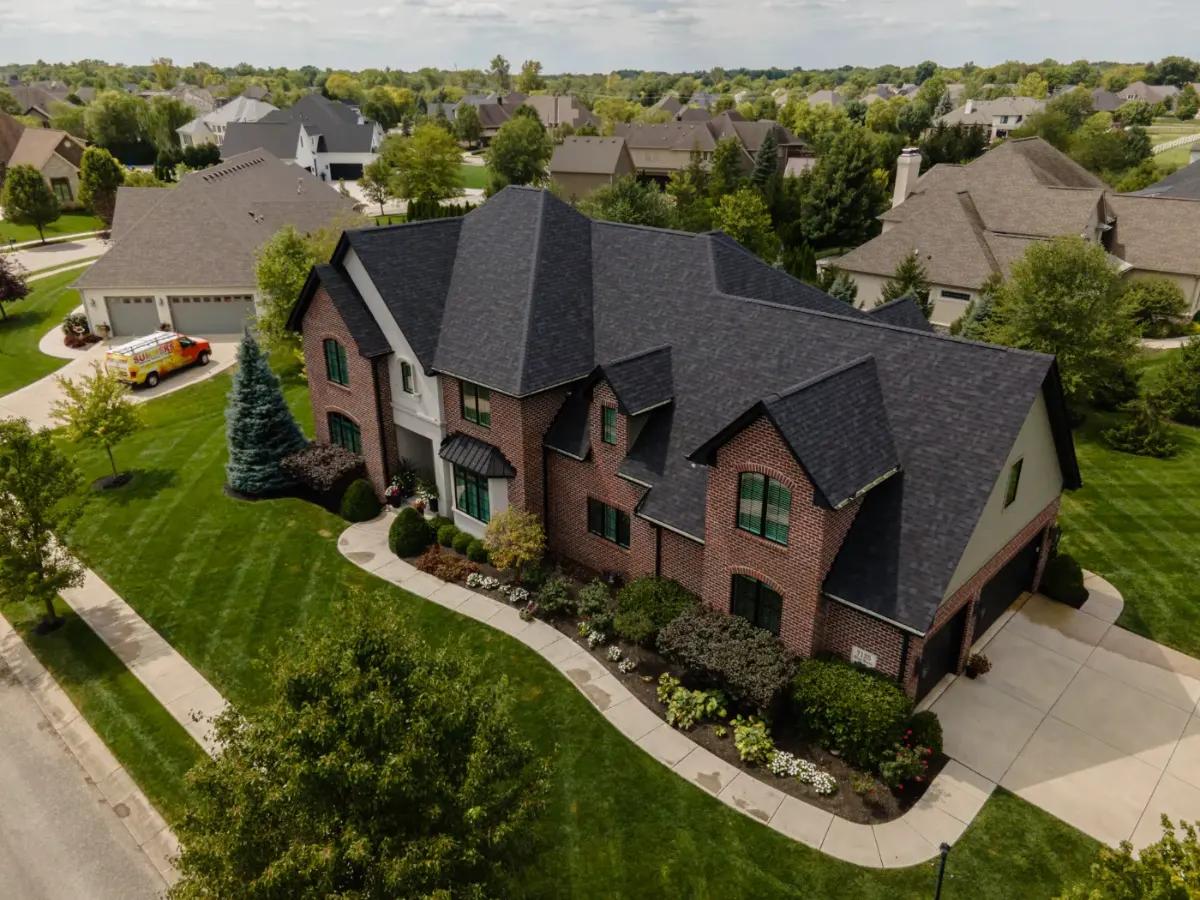
Before, During, and After a Crooked Creek Tear Off
Step one is the inspection. A crew member comes to your Crooked Creek home, walks the roof, and looks over shingles, flashing, valleys, penetrations, and anywhere weather or age tends to show up first. Photos get taken of everything worth noting, from granule loss to lifted tabs to soft decking. Before we talk price or product, we talk about what the roof actually needs, whether that is a targeted repair or a full replacement. You see the same pictures we do, so the conversation starts on level ground.
Step two is the estimate and, when a storm is involved, the insurance piece. You get an honest written estimate laying out scope, materials, and cost, so a Crooked Creek homeowner can compare apples to apples. If the damage looks like a claim, we help you document it properly for your insurance carrier and can meet the adjuster on the roof to walk them through what we found. works with your insurance carrier and we do not pretend to control the outcome, but we give the claim the evidence it deserves.
Step three is the work itself. Once the scope and schedule are set, the crew arrives, protects landscaping and driveways, and gets the roof done cleanly. On Crooked Creek streets with mature trees, that also means being careful about debris on the ground and around gutters. When the roofing is finished, we walk the property with a magnet, clear the site, and do a final walkthrough with you so you can see the finished work and ask questions before we roll out.
Free Inspection With Photos
We climb the roof, check the details, and photograph what we find. You get to see the actual condition of your shingles, flashing, and problem spots. No pressure, no obligation, just a clear picture of where the roof stands today.
Honest Written Estimate
For Crooked Creek homeowners, every quote comes in writing with a clear scope. You see the materials, the work, and the price laid out in plain language. If something changes mid job, we talk about it before it hits the bill.
Insurance Documentation Support
If your roof took storm damage, we document it thoroughly and can meet your adjuster on site. You work directly with your insurance carrier, and we give you the photos and notes to back your claim. works with your insurance carrier.
Clean Work And Final Walkthrough
The crew protects the property, keeps the site tidy, and runs magnets across the lawn and driveway for stray nails. When the roofing is done, we walk the job with you. Nothing wraps up until you have seen the finished work.
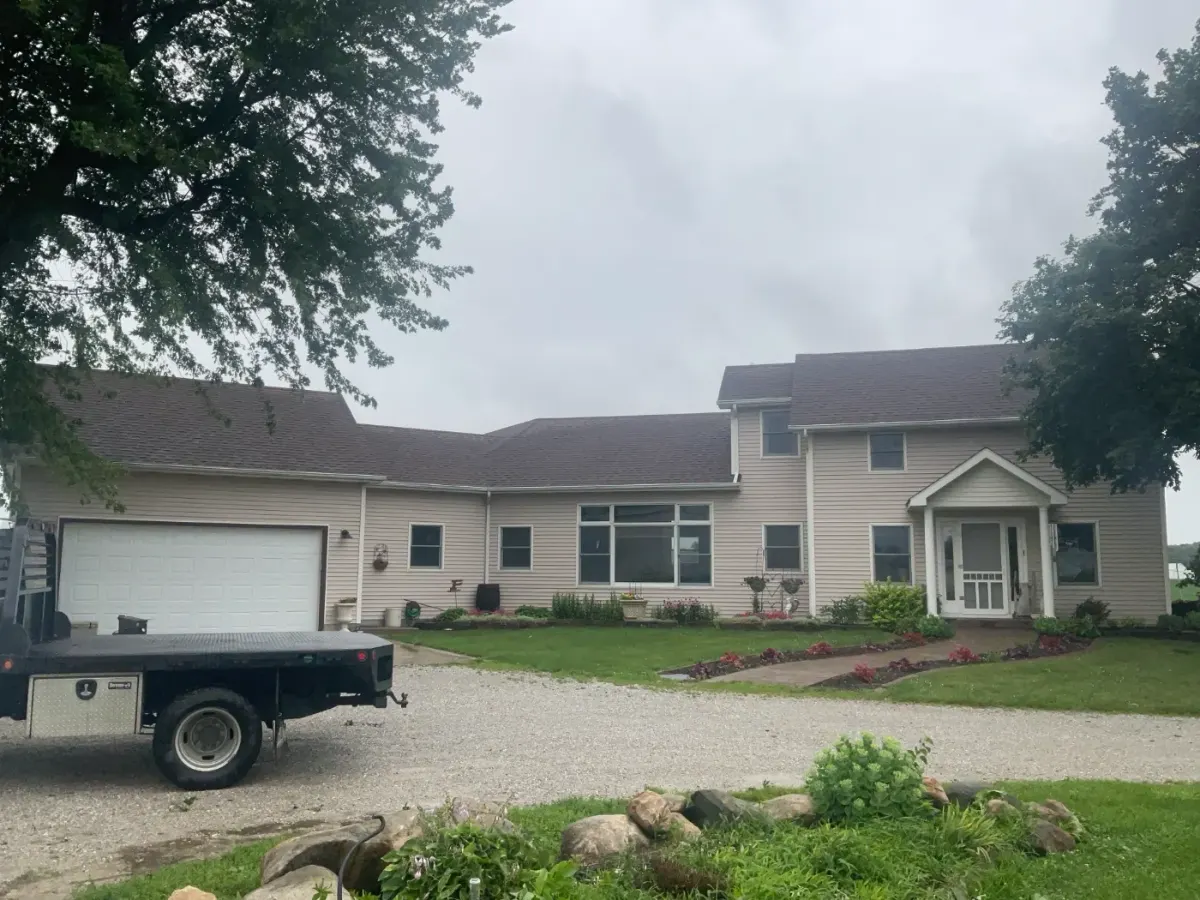
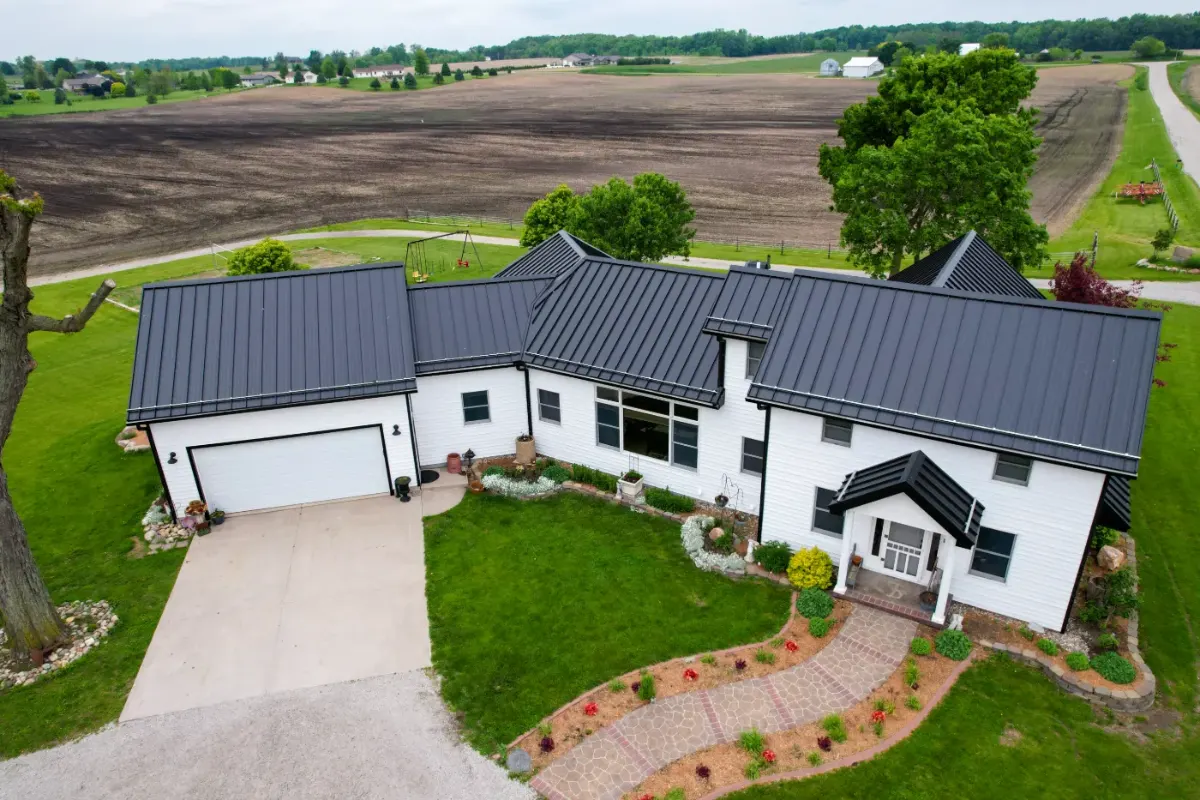
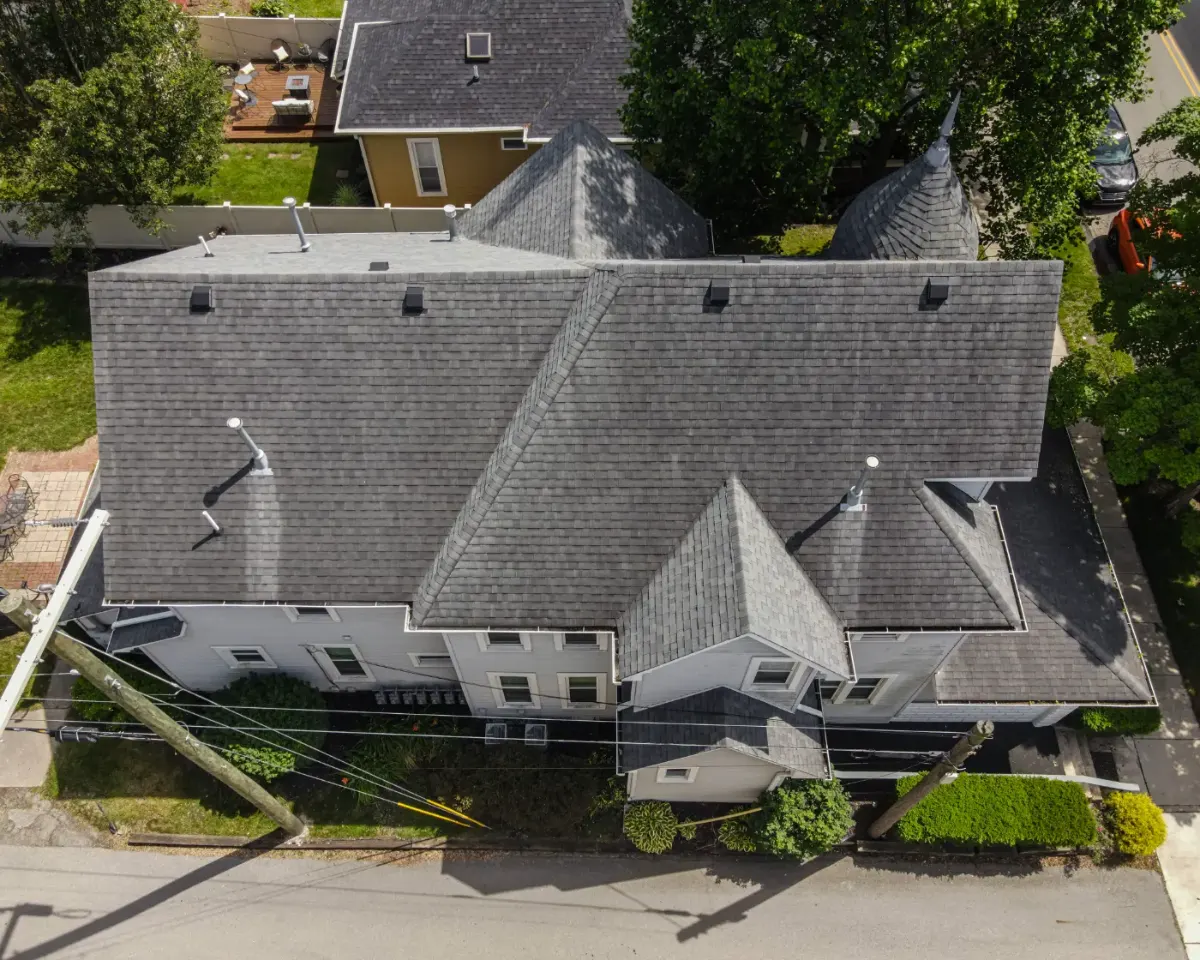
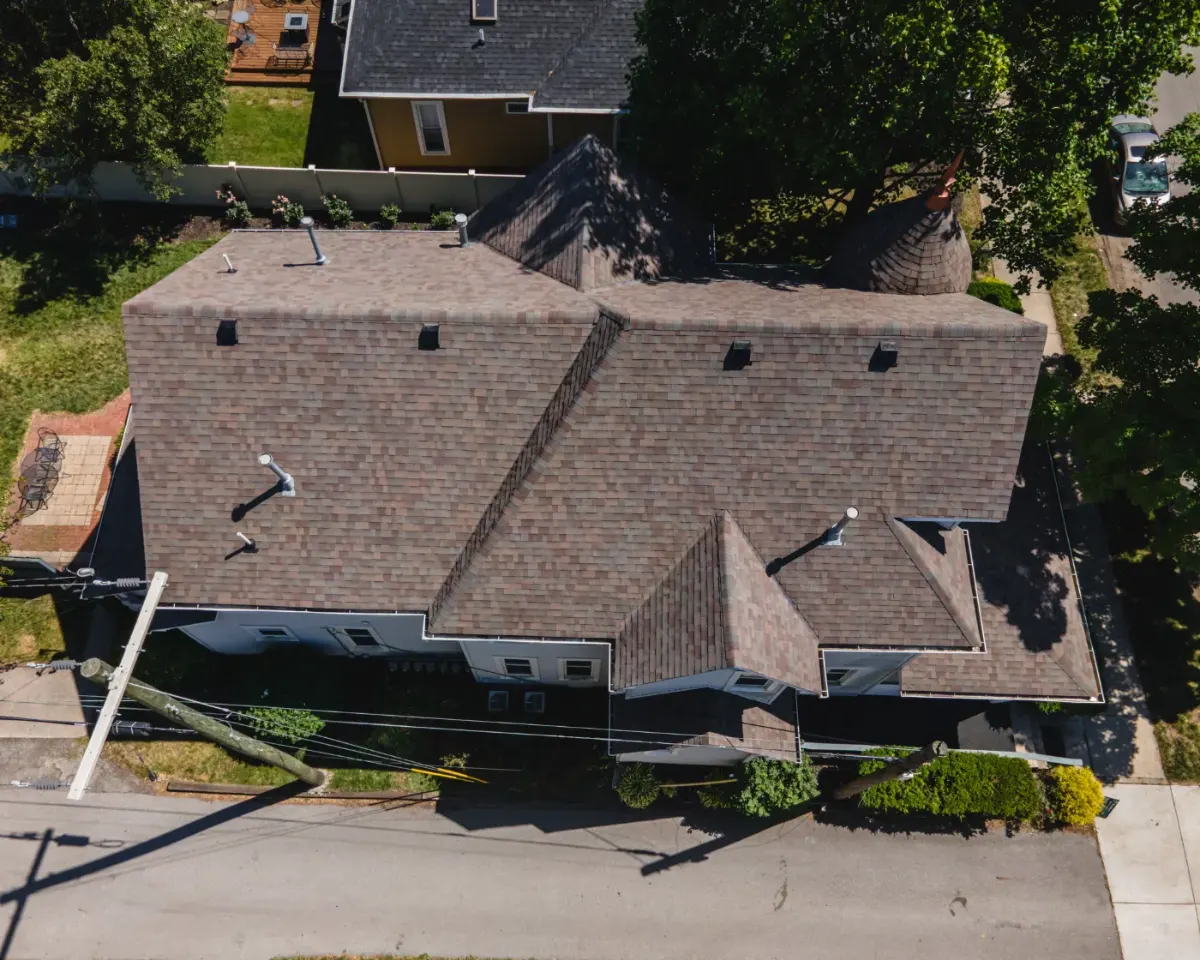
Recent Crooked Creek roofing projects
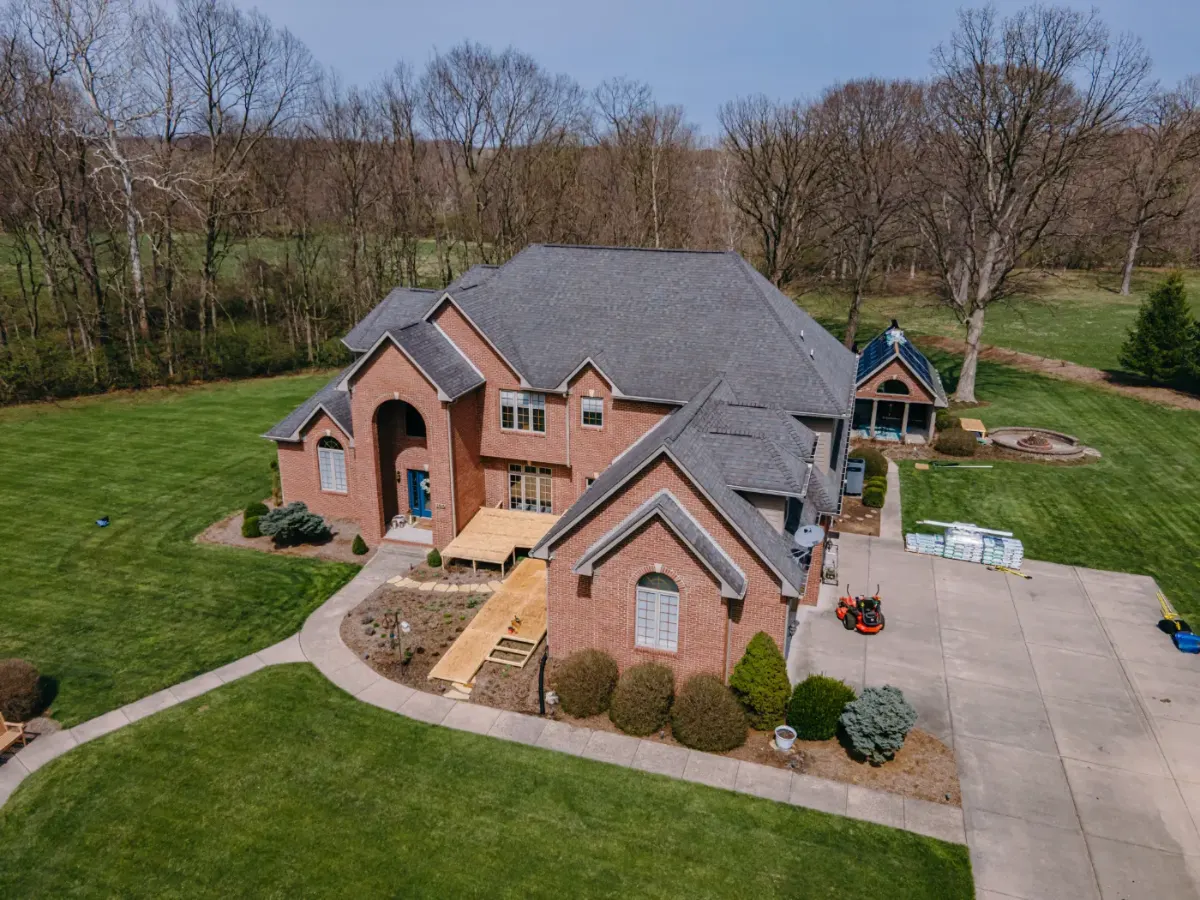
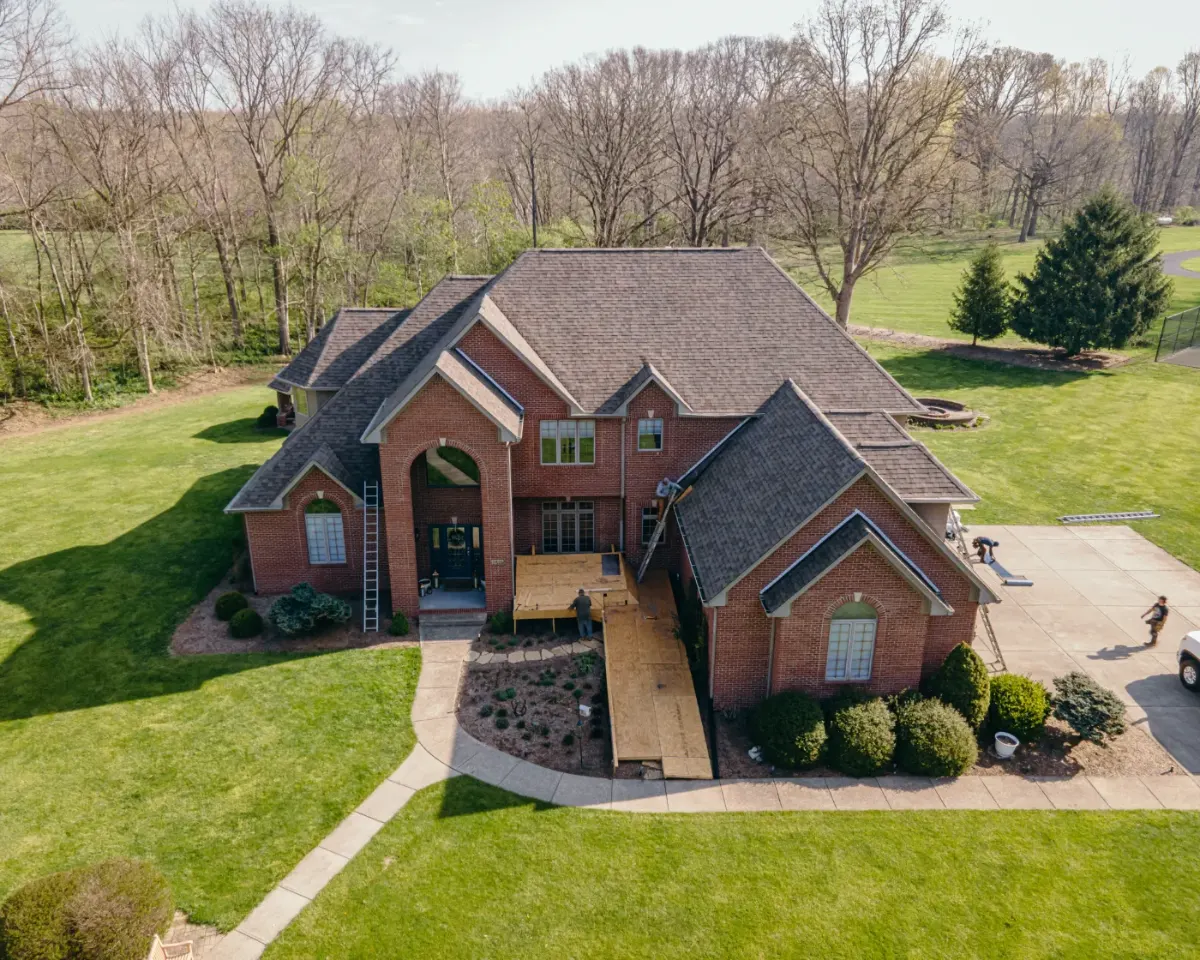
Before-and-after documentation from real Crooked Creek projects. Same photo angles before and after the work.
What we see most often on Crooked Creek roofs
Crooked Creek homeowners typically call us about these scenarios.
Squirrels and Raccoons at the Roof Edge
Scratching overhead in a Crooked Creek attic usually starts with wood that was already soft. Squirrels and raccoons work a rotted rake board or the gap under a lifted shingle edge, and once the opening is chewed to size they come back to it every year. Crooked Creek Roofing replaces the board and rebuilds the edge detail, because stapling wire over soft wood buys you one season.
Attic That Runs Hot in Summer
An attic well above outdoor temperature is cooking the shingles from underneath and shortening the roof from the side nobody inspects. Intake and exhaust have to be balanced, not just present. Crooked Creek Roofing measures both, calculates what the attic actually needs, and explains why the shingle warranty depends on it.
Tree Limbs Resting on the Roof
A limb doesn't need to break loose to hurt your roof. If it rests on the shingles, every gust rubs it back and forth over the same spot until the granules are gone in a strip. Crooked Creek Roofing points out which branches should come back and which ones clear the slope well enough to stay.
Porch Roofs Too Flat for Shingles
Porch and addition roofs are usually shallower than the main slopes. A shingle roof sheds water downhill by overlapping; it does not hold water back, so wind-driven rain in a Crooked Creek storm gets under the laps and shows up along the wall inside. Crooked Creek Roofing tells you when the answer is a proper low-slope material instead of another course of shingles.
Bathroom Vents Ducted Into the Attic
A bath fan that exhausts into attic space instead of through the roof puts warm wet air against the underside of the deck every day. Homeowners find it when the plywood darkens or the insulation mats down. Crooked Creek Roofing looks for it during the roof inspection and flags it, because it is a roof problem even though it starts in a bathroom.
Granules Filling the Gutters
Heavy granule loss in Crooked Creek gutters means the shingle mat is losing its UV protection, the last stage before brittleness and cracking. Some shedding is normal on a new roof; steady accumulation on a 15 year roof is a countdown. Crooked Creek Roofing gives you a straight read on remaining life instead of an automatic replacement pitch.
Three Simple Steps
Discipline shows up at every stage of a Crooked Creek Roofing project, beginning with the free inspection and carrying through completion.
Free Inspection
The roof gets reviewed, conditions get photographed, and the findings come back to you in plain, practical language. You pick the time the inspection happens.
Transparent Estimate
The outline is written down: what work we recommend and the benefit each item brings to your property. There's no pressure, and we take the time to walk through options comfortably.
Quality Installation
Attentive work, timelines that hold, and respect for your property. The manufacturer warranty gets registered in your name by us.
Crooked Creek Homeowners on the Roof Age Talk
4.9 stars across 2,307+ Google reviews.
"Roof inspection for our home sale. The report was detailed enough that buyers accepted it as part of due diligence without ordering their own. Saved us about a week of closing time."
"Inspected our home before purchase. Caught two items we used in negotiation that saved us more than the inspection took to schedule. Plus the report gave us confidence the roof had real life left."
"Quick repair on storm damage that got us through hail season. They recommended a full inspection in spring which we have scheduled. No upsell on the immediate repair."
"Emergency response at 9pm during a major thunderstorm. They dispatched within 2 hours, tarped the active leak area, and saved our ceiling. Permanent repair scheduled the following week. Worth every minute of the emergency call."
Questions We Get on Crooked Creek Roofs
Straight answers to the questions Crooked Creek homeowners ask most.
Indiana Weather Affects Roofs Year Round
Roof work in Crooked Creek has to account for a full range of weather, since Indiana gets more variety than most of the country. Hail and severe thunderstorms arrive in spring, summer adds UV exposure, fall carries wind storms, and freeze thaw cycles run through winter. That's what shapes our maintenance, repair, and replacement planning.
Hail Bruising Shingles
Hail is one of the harshest things a Crooked Creek roof faces, and the damage is not always visible from the ground. Impacts bruise the mat under the shingle, crack tabs, and knock protective granules loose, which shortens the life of the roof. When you call us in, we look for the bruises, dents in flashing and gutters, and document each hit for your records.
Wind Lifting Shingles
High winds from spring storms and the occasional tornado outbreak lift and tear shingles, especially on aging roofs where the seal strips have weakened. Once a tab breaks free, the next gust peels more and exposes the deck. We check for creased shingles, missing tabs, and compromised nailing patterns, then repair or replace based on the extent of the damage.
Ice Dams In Winter
Indiana winters swing between thaw and freeze, and on the low pitches common across Crooked Creek that means ice dams. Meltwater refreezes at the eaves, backing water up under the shingles where it can rot decking and stain ceilings inside. We look at insulation clues, flashing, and eave condition, and correct the weak points during repair or replacement.
Granule Loss On Aging Roofs
Many Crooked Creek homes still carry shingles well past their intended life, and the first sign is granules piling up in gutters and downspouts. Once the granules go, the asphalt is exposed to UV and the shingle brittles fast. When we spot heavy granule loss during an inspection, we tell you honestly whether a repair still makes sense or whether replacement is the smarter call.
Choosing the Right Roof for Crooked Creek Homes
An honest breakdown of the three systems we install most frequently.
Architectural asphalt shingles are the most common choice on Crooked Creek homes, and for good reason. They balance cost with curb appeal, hold up well against typical Indiana weather, and come in a wide range of colors and profiles that flatter brick ranches, Colonial Revivals, and split levels. The dimensional shape gives depth to the roofline, and manufacturers back these shingles with strong warranties when installed correctly. For most homeowners weighing budget against long service life, architectural asphalt is the practical middle ground and the material you will see on most streets in the neighborhood.
Class 4 impact resistant shingles are built for exactly the weather central Indiana throws at roofs. They are engineered to take hail strikes that would bruise or crack standard asphalt, and the reinforced mat tends to hold granules longer through hail seasons and spring storm outbreaks. For Crooked Creek homeowners tired of watching a roof age hit by hit, that added durability can be worth the upgrade. Ask your insurance carrier whether your policy offers a premium credit for Class 4 shingles, since some do and some do not. We can walk you through the tradeoff during the inspection.
Standing seam metal offers the longest service life of the three, often decades beyond what asphalt delivers. Concealed fasteners mean fewer failure points, the smooth panels shed snow and ice cleanly, and upkeep over the years is minimal. The honest tradeoff is upfront cost, since standing seam runs meaningfully higher than asphalt at install. For homeowners planning to stay in the house long term, that higher initial number often works out to lower cost per year of ownership. We will lay out the numbers plainly so you can decide whether it fits your home and your plans.
What We Do Around Crooked Creek
Roof Inspections
A roof inspection isn't a sales visit carrying a clipboard. Nobody sits at your kitchen table in Crooked Creek running pressure tactics or quoting a price that expires when the door closes. It also isn't a promise that nothing will ever go wrong, because weather doesn't work that way.
What it is: an honest read of current condition from someone who works on roofs for a living. If your roof needs nothing, that is the answer you get, along with a rough sense of how many seasons remain before the conversation changes.
Roof Inspections in Crooked Creek ›Roof Repair
Repairs happen year round in Crooked Creek, though the calendar changes the approach. In cold weather, sealants need heat to bond and shingles turn brittle, so a crew moves slower and takes more care. In summer heat those same shingles soften and scuff, which means early starts and light feet.
Fall runs busiest, since everybody wants the roof settled before winter arrives. Whatever the season, an active leak gets attention right away, because water inside a house will not wait for better working weather. We schedule around the rain rather than the calendar, and we tell you honestly when a wet stretch is going to push your day back.
Roof Repair in Crooked Creek ›Emergency Roof Repair
These calls cluster around a few kinds of weather in Crooked Creek. Spring and summer bring straight line wind and hail that strip shingles in minutes. Late fall storms drop limbs onto roofs already carrying wet leaves.
Winter brings ice at the eaves, where melt refreezes and backs water up under the shingles until it finds a ceiling. Each arrives fast and without warning.
Because these events hit whole streets at once, the phone rings for days afterward, and the households that call first are the ones covered first. Keeping a roofer's number somewhere handy is worth more than it sounds.
Emergency Roof Repair in Crooked Creek ›Roof Replacement
The decision usually gets forced by something. A leak returns for the third time in one wet spring. An inspection during a home sale turns up an aging roof and the buyer wants it addressed.
A storm takes enough shingles that patching no longer makes sense. Or you look up from the driveway one afternoon and notice the roof looks tired next to everything else on the block. All of those are reasonable starting points, and none of them require you to decide anything on the day we visit your Crooked Creek home.
Roof Replacement in Crooked Creek ›Designer Roofing
If a storm claim is paying for your roof, an upgrade is usually still possible. The carrier pays what it owes for a comparable shingle, and you cover the gap between that and the product you actually want. We write it that way so the split stays obvious and nothing hides inside one total.
It helps to decide before the claim settles, since changing material later can mean revisiting paperwork. We will lay out both paths for your Crooked Creek home and let you choose without anybody leaning on you. The written scope shows the covered amount and your portion on separate lines.
Designer Roofing in Crooked Creek ›Ask Who Is Actually on Your Crooked Creek Roof
If you only get one question, make it this one. Roofing is labor before it's anything else, and the difference between a roof that lasts its full life and one that leaks in the third year almost always comes down to the hands that installed it rather than the bundle it came out of. So ask directly whether the people who will be on your house are employees of the company you're hiring or a crew brought in for the season.
Neither answer is automatically wrong. Plenty of good work gets done by long standing crews who aren't on the payroll. What matters is the relationship.
Ask how long this particular lead has run jobs for them, how many houses they did together last year, and whether the same lead will be on your roof from the first bundle to the final walk. Ask who supervises during the day, how often that person is on site, and whether anyone from the office will look at the work before you're asked to pay.
The follow up question is about language and communication. If the lead doesn't speak much English and the salesman is gone by mid morning, you need to know who you actually talk to when you notice something from the ground.
Good companies solve this easily and will tell you exactly how. Ones that haven't thought about it will get uncomfortable, which is itself an answer.
While you're at it, ask about insurance in the plain sense. Does the company carry liability coverage and workers coverage for everyone who will be on your property, and can they have the carrier send you a certificate directly instead of a copy out of their own files. If somebody gets hurt on your roof and the answer to that question was no, the problem becomes yours, and it is a very unpleasant way to learn about the way your contractor runs a business.
Repairs Do Not Wait for Good Weather
A roof fails on its own schedule, which tends to mean a weeknight in the middle of a storm. What matters at that point isn't the season.
It's how fast somebody can get there and how much of the water they can stop before it works its way down into the drywall and the insulation. So repair work runs all year for us, in whatever the weather is doing, and the approach shifts with the conditions instead of pausing.
In mild weather a repair is usually the whole job. We find the source, open up as much as we need to, replace what failed, and put it back properly. In the cold or the wet, the job often splits in two.
First comes stopping the water, which might mean a properly fastened cover over an open area, a temporary seal at a failed joint, or clearing an ice dam so the water behind it can get off the roof. Then the permanent repair follows when conditions allow it to be done right rather than merely done.
Inside the house, the first hour matters more than people think. Move what you can out from under the drip, put a bucket down, and if a ceiling is holding water in a bulge, it's better to poke a small hole at the low point and let it drain into a container than to let the whole section come down at once. Take photographs of everything before you clean it up, since your insurance may want them and memory is a poor substitute.
What you should expect from a contractor in that moment is a straight answer about when somebody can be there and what they will be able to do once they arrive. Weather can make a roof genuinely unsafe to walk, and anyone who tells you they will be up there in the middle of a lightning storm is telling you something about their judgment. Getting you dried in comes first, and the roof gets sorted out properly right after.
What We Will Not Do at Your Front Door
After a bad storm, a lot of homeowners around here get knocks on the door from people they have never seen and will never see again. It has made everybody cautious, and rightly so. We schedule visits, we call before we head over, and the person on your roof can tell you where the office is and who owns it.
We'll not ask you to sign anything in order to be inspected. Some outfits hand you a form on the porch that reads like an authorization for an inspection and is actually a contract that binds you to them if a claim gets approved. Read anything you're handed on a doorstep, all of it, and if the person can't explain a paragraph in plain words, that tells you what you need to know.
We also won't price your roof against a clock. There's no figure that only holds if you sign tonight, no manager on speakerphone approving something special, and nobody will follow up more than a couple of times.
If the answer isn't now, that's a complete answer. Plenty of the roofs we build were quoted a year or more before the homeowner was ready.
While we're there, your property gets treated the way we would want ours treated. Ladder standoffs so the gutters don't get crushed, care around the landscaping, gates closed behind us if you have a dog, and nothing left in the driveway. If we move anything to get to an attic hatch, it goes back where it was.
None of this is remarkable in the slightest. It's simply how a visit ought to go, and it's worth saying out loud only because so many homeowners around here have had the opposite experience and now expect the worst from anybody in a work truck.
We would rather earn the job slowly than knock on a door and hope. If somebody does show up on your porch after a storm, ask them for a street address you could drive to on an ordinary Tuesday, and pay attention to how that conversation goes.
Venting and Flashing on a Crooked Creek Quote
Two line items on a roofing estimate deserve more attention than they usually get, because they are where the difference between a roof that lasts and one that disappoints tends to live. The first is ventilation.
It should appear as its own item, with the intake at the soffit and the exhaust at the ridge listed separately, along with what's being added or corrected. If a quote simply says vents included, nobody has looked at whether your attic is balanced, and installing new material over a starved attic is how a roof ages out early.
Getting it right sometimes means work that's not glamorous. Cutting the ridge slot to the proper width, adding baffles at the eave so the insulation stops short of the vent, opening up soffit that was painted shut, or removing a powered fan that has been fighting the ridge vent for years. All of that's modest money next to the roof itself and it belongs in front of you as a decision you get to make, never buried in a lump.
Flashing is the other one. It should be itemized by location: the chimney and whether the counterflashing is being cut into the mortar joints or reused, every wall the roof runs into and whether new step flashing is going in course by course, the kick-out at the bottom of each of those walls, the collars on the plumbing stacks, the drip edge at eaves and rakes, and the valley treatment. Each of those has a right way and a fast way.
The reason to insist on the detail is simple. Almost every leak we chase on a roof that's not worn out comes from one of those transitions rather than from the field of shingles. Material is what people shop for, but flashing is what keeps the water out, and a quote that treats it as an afterthought is telling you how the work will be done long before anybody shows up at your house.
What We Read From the Curb in Crooked Creek
Plenty gets decided before the ladder ever comes off the truck. Standing at the end of the driveway, we sight down the ridge to see whether it runs straight or dips between rafters, then look across each plane for the waves that say a deck has taken on moisture.
Color tells us plenty as well. The slope facing the afternoon sun almost always looks older than the rest of the house, and a heavy wash of granules at the bottom of a downspout means the surface has been giving up its protection for a while.
Next comes a lap around the perimeter, which is where a surprising amount of the useful information lives. We check whether the gutters are pulling away from the fascia, whether the fascia itself has gone soft at the corners, and whether the soffit vents have been painted shut or packed full of insulation from the inside.
Ground conditions matter too. A spot along the foundation that stays wet long after everything else has dried out usually traces back to a roof or gutter problem instead of the grading.
On the roof we work slope by slope. Nail pops raise a shingle just enough to catch a fingernail as you pass a hand over it.
Seal strips that have released let tabs lift in wind that shouldn't be bothering them at all. We look hard at valley wear, at the rubber collars around plumbing stacks, and at the metal where the chimney comes through, since those pieces almost always fail well before the open field of the roof does.
The last stop is inside, up the attic ladder with a light. Pinholes of daylight at the deck seams, rust blooming on the underside of nail tips, and dark staining across the shaded slope all say the same thing in different ways.
We also follow the bath fans to see where they end up, because more of them than you would like dump warm wet air straight into the attic. By the time we come back down the picture is complete enough that we can tell you what your roof needs and, just as often, what it doesn't.
What Crooked Creek Wants to Know First
Where Our Crooked Creek Roofs Have Gone
These are roofing jobs we've finished in neighborhoods around Crooked Creek and nearby. Pick one to see what we picked up working on those streets.
Where we respond near Crooked Creek
Indiana-licensed crews dispatched to Crooked Creek and the closest surrounding communities.

Roofing Systems Compared in Crooked Creek
Pricing below tracks typical installations in Crooked Creek, covering the four residential systems we install more than any others.
A plus sign on the upper end of any range means your project might land above the listed maximum once the inspection tells us more. The numbers are typical for the Crooked Creek market as of 2026. A written scope and quote costs nothing.
Crooked Creek Roofing is powered by Indy Roof & Restoration
One company stands behind this page: Indy Roof & Restoration, with its license and its reputation on every job. They have been local to central Indiana since 2018, close enough to know Crooked Creek block by block. That reputation is measurable: 4.9 stars across 2,307+ verified Google reviews and counting.
Licensed and insured · License #RC21100059
They carry Owens Corning Preferred Contractor, Malarkey Certified Contractor, BBB A+ Accredited and Google Google Guaranteed. You may have seen the team on FOX59, WISH TV, and RTV6.
Expert Crooked Creek Roofing Crews Available Now
Whether a spring storm just rolled through, your Crooked Creek roof is showing its age, or you are simply planning ahead, now is the right time to know where things stand. Schedule a free inspection with Crooked Creek Roofing, no obligation, and we document everything you need for a claim or a clear next step.